Cost programme or transformation? Be honest about which one you are running
Both are legitimate. Calling one by the other's name is what makes people cynical about change.
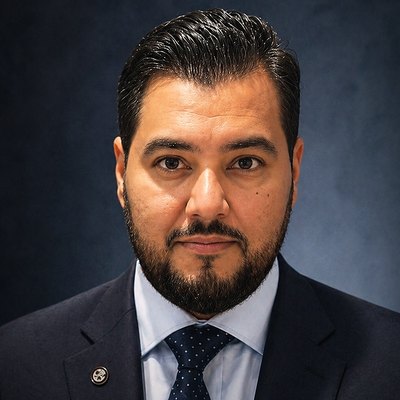 Mayank Paliwal
15 Oct 2026
A cost programme protects the business you have. A transformation builds the next one. Both are sensible responses to pressure, and plenty of companies need both at different times. The trouble starts when one is announced as the other.
Two different jobs
This is not just a question of labels. The two differ in very practical ways.
- Time. A cost programme should be quick, usually six to twelve months. A transformation takes two to four years.
- Leadership. Cost work suits disciplined operators. Transformation needs people who can build things that do not exist yet.
- Measures. A cost programme is judged on run-rate savings. A transformation is judged on new revenue, new capabilities and how much of the business now works differently.
- The story for staff. “We need to be leaner” and “we’re becoming a different company” ask very different things of people.
When a cost programme is sold as a transformation, people hear the promise, then live through the cuts. The next change effort starts with that memory.
Why the confusion happens
Transformation is the nicer word. It sounds like growth, and it makes hard decisions easier to announce. But staff are very good at watching what an organisation does rather than what it says. If the main thing they see is headcount going down, the word “transformation” stops meaning anything for years.
Name it, sequence it
My advice is to call the work what it is. If the need right now is cost, say so. Run it quickly and fairly, explain why, and finish it. Then turn to growth, with a clear line between the two, and ideally put some of the savings back into the new direction where people can see it.
Being straight about this matters because you will need people to believe you the next time you ask them to change.
If this was useful, please pass it on.
Mayank works on business transformation, strategy and operating model design. He is an independent consultant and founder of InflexionIQ, previously at Deloitte, with a master's in Strategy & Innovation from Saïd Business School, University of Oxford.